Table of Contents
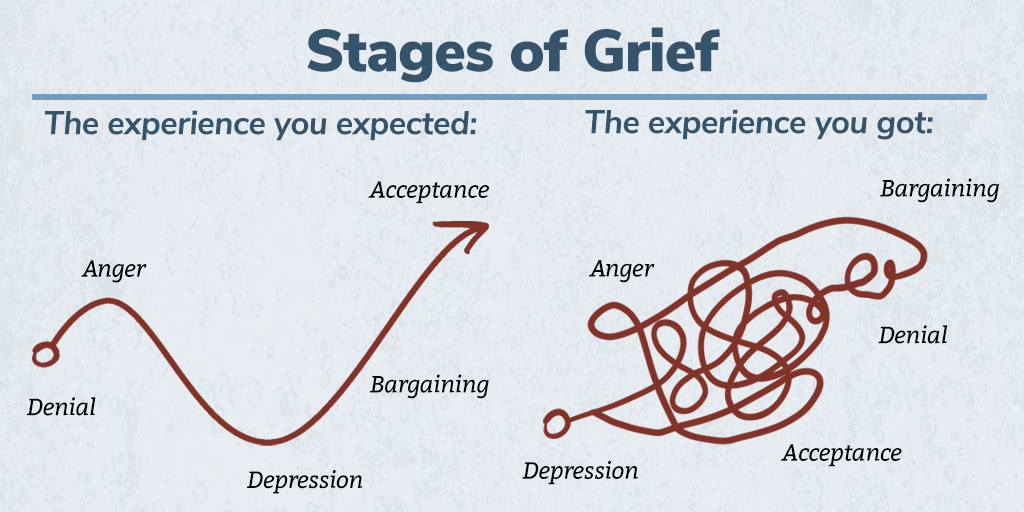
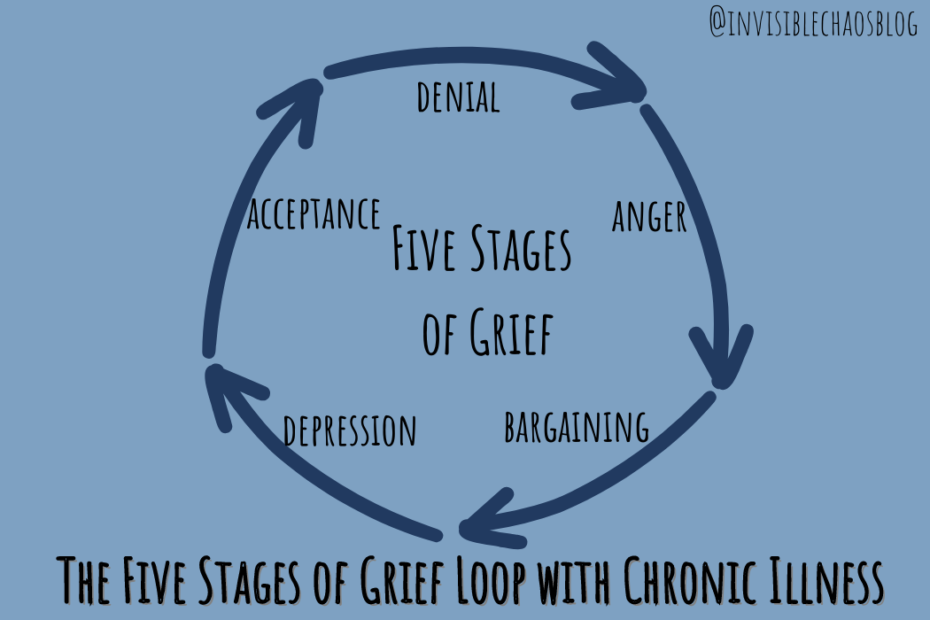
Pain is a complicated process that varies from one person to another. The five phases of grief rejection, rage, negotiating, depression, and approval are a handy framework for thinking about sorrow, but it doesn't mean we'll undergo every stage. In a similar way, we can experience these facets of despair at different times, and they don't take place in one specific order.
This website makes use of cookies to help personalise web content, tailor your experience and to maintain you visited if you sign up. By continuing to use this site, you are consenting to our use of cookies.
This intermittent structure is implied to aid you better recognize your feelings and is not intended to prescribe just how you must regret, what you must be feeling, or in which order. Each phase might come and go or overlap the others.
Learn much more regarding the 7 stages of sorrow. Despair can be a challenging and untidy process.
Nervous System Bandwidth: Expanding Your Range Through EMDR
That's since no person can ever before be absolutely planned for a loss so significant. When you are in shock after a loss, you may behave usually or as if nothing has taken place. Many of the time, this is due to the fact that your body has actually not refined the loss. You may feel like the scenario hasn't "sunk in" right now.
These sensations and experiences are self-protective mechanisms that function as a barrier to make sure that you are not bewildered at one time. Due to the fact that the death of a loved one can have such a considerable influence on you, you could experience rejection. Throughout this phase of despair, it is just too tough for your brain to understand that your relative, buddy, or various other loved one is gone.
As you slowly begin to approve the loss and what it implies for your life now, your denial will begin to reduce. You may have a broader variety of feelings and emotions when rejection wears away. Up until then, you may have durations when you feel distressed, which can be activated by pointers of your enjoyed one.
In some situations, it's a regular feeling to want to stay clear of others so that you do not need to acknowledge or discuss your loss. Often, you really feel absent-minded, obtain easily sidetracked, or put things off throughout this phase of pain. You might likewise try to remain active constantly or shut down mentally.
Understanding Complex Trauma in High-Functioning Individuals
In specific scenarios, you can likewise feel angry with the healthcare carriers, your pals, member of the family, God, or any type of other spiritual being(s) you count on. Under all that temper is your discomfort. While it might be unpleasant to handle, it gives more framework to your mourning than continuing to be numb.
Throughout this stage, individuals commonly really feel helpless and helpless and ask themselves "what if" inquiries. You might feel guilty for refraining even more to maintain the loss from occurring or for not investing more time with the person you shed. During the negotiating phase, it prevails to ask yourself or claim, "I need to have done this ..." or "If I had only done that ..." While these kinds of doubts are regular, they are not where you desire your mind to continue to be.
Relational Healing in the Healing Journey for Healthcare Professionals
It may likewise be valuable to do something certain, like write a letter to your enjoyed one or speak to them out loud. When you come to terms with the reality of the loss, a much deeper level of despair might begin to creep in.

You can additionally see for a list of extra resources or call the number listed below to reach Chemical abuse and Mental Health And Wellness Providers Administration (SAMHSA) hotline. The testing phase of the mourning process commonly includes attempting out various points that assist you move on. In this phase, you are starting to construct your new regular along with refining your sensations and feelings developed by the loss.
Getting to the acceptance stage does not imply you are okay with what happened. Rather, this part of the mourning process is a lot more about approving what your life resembles currently. You will certainly still require to pay attention to your feelings and adjust, but you will start to really feel even more wholeeven if it looks various than it did before.

Table of Contents
Latest Posts
When Eye Movement Desensitization and Reprocessing Addresses Unresolved Wounds in Denver
Transforming Triggering to Responsive Engagement in Wheat Ridge
Treating Simultaneous Conditions in Couples Therapy
Navigation
Latest Posts
When Eye Movement Desensitization and Reprocessing Addresses Unresolved Wounds in Denver
Transforming Triggering to Responsive Engagement in Wheat Ridge
Treating Simultaneous Conditions in Couples Therapy